

The Powerhouse
Illuminating perspectives on current marketing topics and trends to spark your interest.

Why visual hierarchy is the unsung hero of great design
Most design problems are not design problems. They are hierarchy problems.
The colors are fine. The type is fine. The photo is sharp. But the eye doesn't know where to land first, what to read second, or what to do third. So the audience does what audiences always do when a layout doesn't lead them.
They leave.

Designing for brand trust: how visuals shape perception
Trust happens fast.
In just a few seconds, they’ve already formed an opinion about your brand. That snap judgment often comes down to what they see, how your brand looks, feels, and shows up visually.
Design sets the tone. It creates a sense of professionalism, clarity, and consistency. And when those elements work together, they build trust that lasts beyond the first glance.

Using PR wins to fuel your SEO and AI visibility strategy
B2C brands usually get the credit for great creative. They’re quick to grab attention, they tell good stories, and their work often feels more alive. No surprise it gets noticed.
B2B doesn’t need to be the opposite. But it often leans into jargon, long copy, and visuals that feel a little too stiff. That might be part of why so much of it gets ignored.
The thing is, B2B buyers are still people. They want clear ideas. They want content that feels relevant. And they’re more likely to respond to creative that doesn’t feel like work to understand.
This is where B2C gets it right. It makes things easier to absorb. B2B marketing can do the same without losing any depth.
How to build a visual identity that stands out in a saturated market
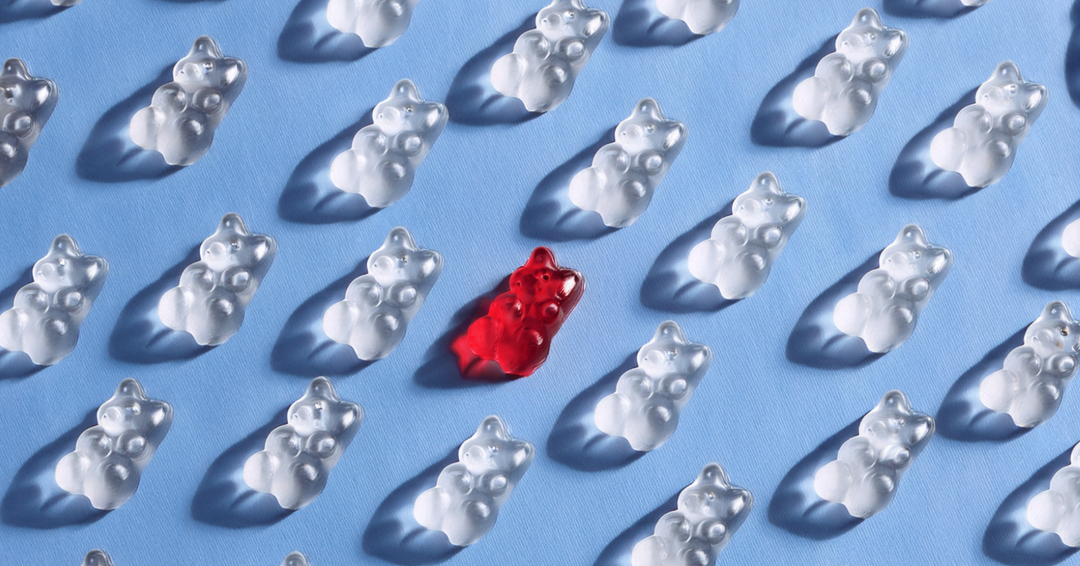
People see more brands in a day than they can count. Logos, ads, and posts blur together. Attention is short. Memory is even shorter. Most names disappear in the noise.
A strong visual identity changes that. It helps a brand get noticed, feel consistent, and earn trust before anyone even reads a word.
Building that kind of identity does not mean following every trend. It means focusing on what makes you distinct and showing up the same way everywhere your audience sees you.

Design consistency: why it’s the secret to a stronger brand
Strong design makes an impact right away. A brand that looks cohesive creates a sense of clarity and order. Colors align. Fonts match. Images feel intentional. Even without knowing why, most viewers can tell when a brand feels put together.
When that consistency is missing, the effect is just as noticeable. A disconnected website, mismatched social content, and off-brand emails can make everything feel scattered. That kind of confusion weakens trust.
Consistency is more than polish. It shapes perception, creates recognition, and helps people connect faster with your brand.

The White Lotus effect: Why beautiful doesn’t always mean trustworthy
In 2025, beauty alone doesn’t build trust. Branding has to go deeper. Just like a too-perfect resort, if the substance doesn’t match the surface, people won’t stay.

Designing for a distracted audience: Why attention spans are shaping today’s branding
Today, everyone’s scrolling. Fast.
Brands have seconds, maybe less, to make a real impression.
In 2025, attention is currency. Brands are competing in milliseconds. You don’t just need to be eye-catching. You need to be immediate.

How to leverage user-generated content
User-generated content (UGC) is original, brand-specific content created by customers and shared on social media or other platforms.

The role of storytelling in brand strategy
Stories are how humans bond. They spark emotions, and emotions drive decisions. That’s why storytelling is at the heart of excellent branding—it makes your audience feel something real.

The importance of a cohesive brand message
At Kinetic, we believe consistency is the foundation of a strong brand. When every marketing initiative, customer touchpoint, and sales conversation align, you don’t just attract customers, you build trust, credibility, and long-term loyalty.